
By: David Broder July 19, 2026
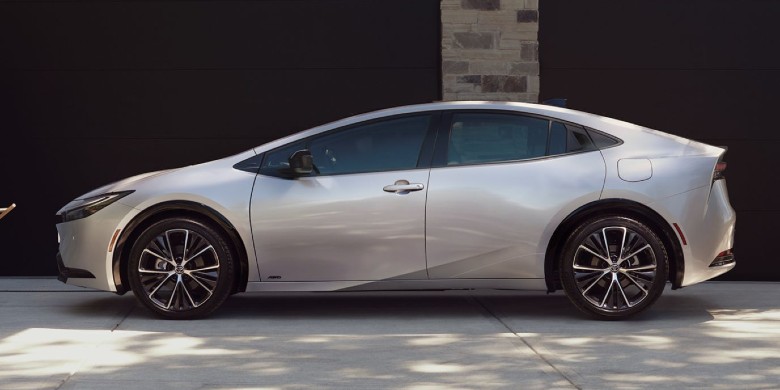
2026 Prius Adds New Features & 27' Coming Soon
The Toyota Prius has been synonymous with hybrid efficiency since 1997, and the fifth-generation model — now three years into its current design cycle — continues to evolve for the 2026 model year. While Toyota resisted the urge to touch the Prius's striking exterior, the automaker layered in a handful of meaningful updates to safety tech, convenience features, and trim options that make the 2026 Prius a more refined and better-equipped version of an already compelling hybrid hatchback. Later on in the article we’ll compare pricing info with the 2027 model coming soon.
Familiar Sleek Looks, New Substance The Snow Extra drive mode is added to the AWD E-Four versions of the 2026 Prius in Japan this June, along with other “hidden” changes like speed-sensitive automatic door locks and adaptive high beams (standard on the Z grade). Perhaps the most notable thing about the 2026 Prius is what didn't change. Toyota chose not to alter the styling for 2026, sticking with the sleek, low-slung "hammerhead" design language that defined this generation when it launched. That's not a knock on the car — the current Prius silhouette, with its sharp LED headlights, full-width taillights, and coupe-like roofline, is still widely considered one of the more striking shapes in the compact segment. In fact, this design language has since spread across much of Toyota's broader sedan and SUV lineup, underscoring just how influential the current Prius's look has been. Wheel sizing continues to vary by trim, giving buyers a way to balance style against efficiency. The base LE grade rides on 17-inch wheels to maximize aerodynamic efficiency and fuel economy, while the XLE, Nightshade, and Limited trims step up to 19-inch wheels for a more planted, upscale stance.
2027 Toyota Prius Hybrid Pricing All Models 305$ More
- Prius LE FWD $30,050 Diff from 2026 $305
- Prius XLE FWD $33,495
- Prius Nightshade FWD $34,300
- Prius Limited FWD $37,065
- Prius LE AWD $31,450
Why Sodium Might Change The Game
If sodium-ion batteries can be produced at scale with this level of performance, they could significantly affect everyday costs. Sodium is generally more abundant and less geopolitically fraught than materials such as lithium, nickel, and cobalt, meaning a cheaper battery chemistry could translate into more affordable electric cars. Key limitations have kept people from committing to lithium battery technology: narrow temperature tolerance, flammability, and limited cycle life. Lithium is also more hazardous to dispose of and recycle than sodium ion. Potentially, making it a safer life-cycle and cleaner technology.Sodium Ion Matched Lithium Performance
Gotion has introduced their most powerful sodium-ion battery with an energy density of 261 watt-hours per kilogram, which is compareable to lithium iron phosphate batteries and roughly comparable to that of Tesla's 4680 cells. One notable feature was the battery's tabless, double-aluminum current collector design. This configuration helps reduce electrical resistance and promotes more even temperature distribution throughout the cell. The researchers noted that this design closely resembles the architecture currently used in Tesla batteries.